
About Us

More Than a Rental Platform. We Are a Community Economy.

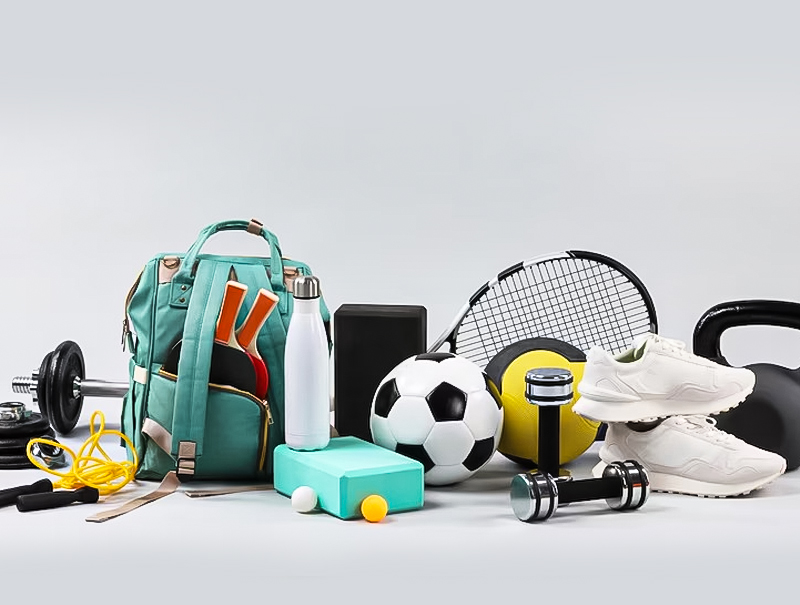
At Kiraipe, we believe that your aspirations shouldn’t be limited by your budget. We are an online rental marketplace built specifically for the youth of India—a platform where renting isn’t just about saving money; it’s about earning it, sharing resources, and building trust. Whether you need a textbook for a semester, a DSLR for a weekend trip, or a guitar to learn a new chord, Kiraipe makes it accessible. We connect people who have things they aren’t using with people who need them right now.

We prioritize a secure, friendly, and verified environment so you can transact with total peace of mind.

We are one of the only platforms designed explicitly to help the youth “earn while they learn” simply by leveraging what they already own.

Every time you rent instead of buy, you reduce waste and contribute to a smarter, greener, circular economy.

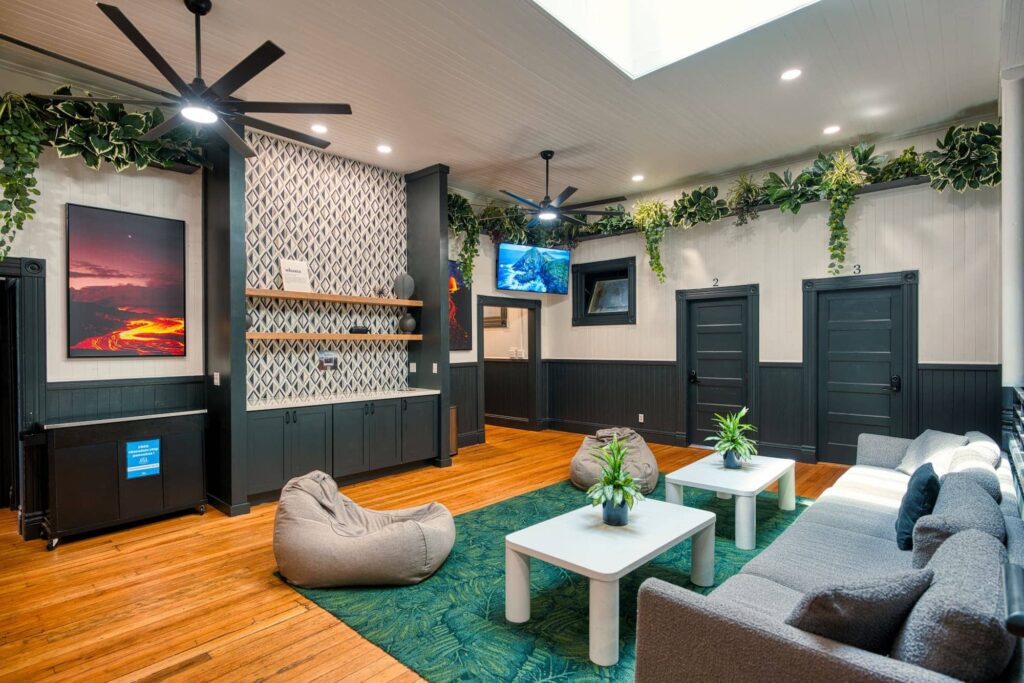
Making your living space more efficient and enjoyable.

Why not connect the two? 

We launched a simple prototype within our college. The concept was straightforward: let students rent out their unused belongings to earn extra pocket money, and let others rent what they need at a fraction of the buying cost. The response was overwhelming. We tested the service with 4,000 students, and the community immediately saw the value.
Our turning point came in January 2017 at the Roll Camera Pitch organized by IIM Lucknow, where our vision won 3rd prize. That validation pushed us to expand. By 2019, KRP Rental Services Private Limited was officially incorporated. Supported by the Sanskriti University Business Incubation Center, we grew from a single college prototype to a platform serving multiple institutions, constantly proving that the circular economy is the future.
Our Story: Born in College, Built for the Nation

The idea for Kiraipe didn’t start in a corporate boardroom; it started exactly where our users are—on a college campus in Uttar Pradesh.
Back in 2017, we noticed a recurring financial hurdle among our peers. Students constantly needed specific items for short periods—second-year engineering books, a bicycle for the semester, or a suit for an interview—but buying them new was an unnecessary financial burden. At the same time, senior students had dorm rooms full of items they no longer used but didn’t want to throw away.

Previous slide
Next slide
Scroll to Top